Key takeaways
- Fescue: aerate and overseed in early fall, from September to mid-October.
- Bermuda and zoysia: aerate in late spring to early summer, not in fall.
- Seed needs steady moisture and good seed-to-soil contact.
- Pair aeration and overseeding for the biggest improvement.
Why aeration matters here
Middle Tennessee clay compacts under foot traffic and mowing. Compacted soil sheds water and starves roots of oxygen, leaving lawns thin and prone to weeds.
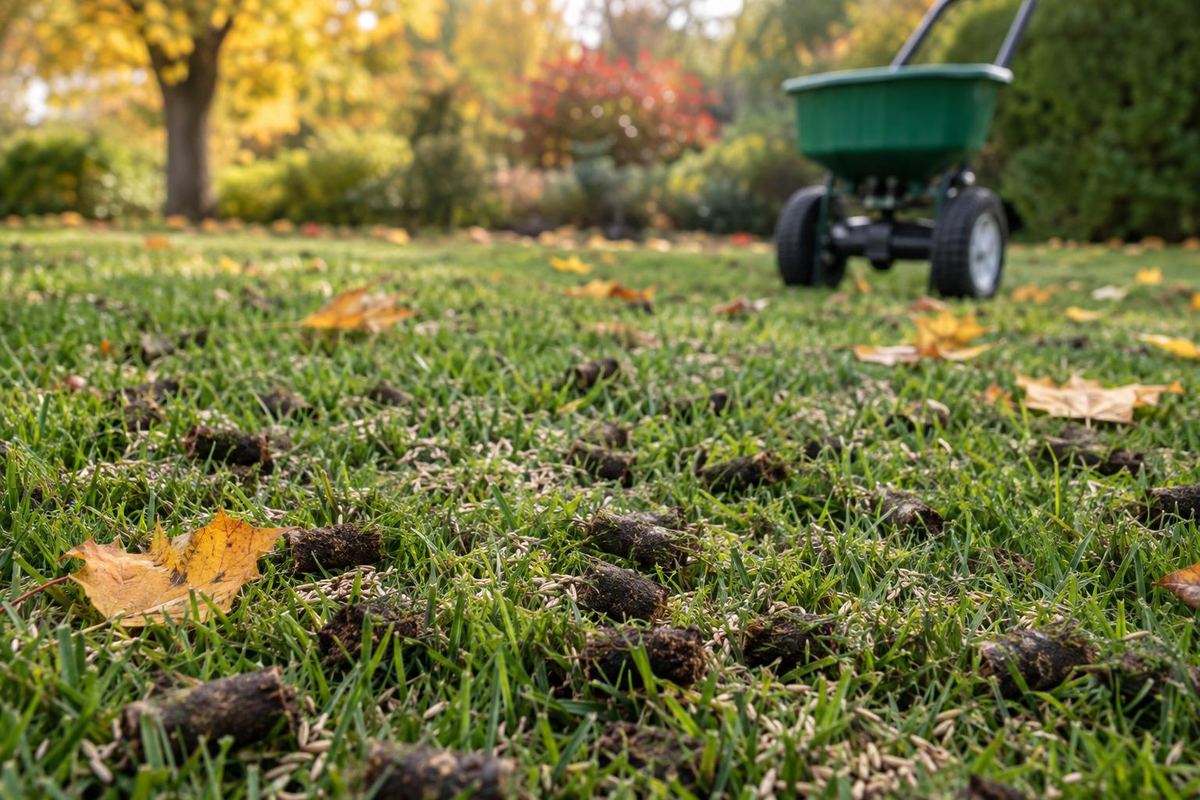
Core aeration pulls small plugs from the soil, opening channels for water, air and nutrients to reach roots.
Timing for fescue
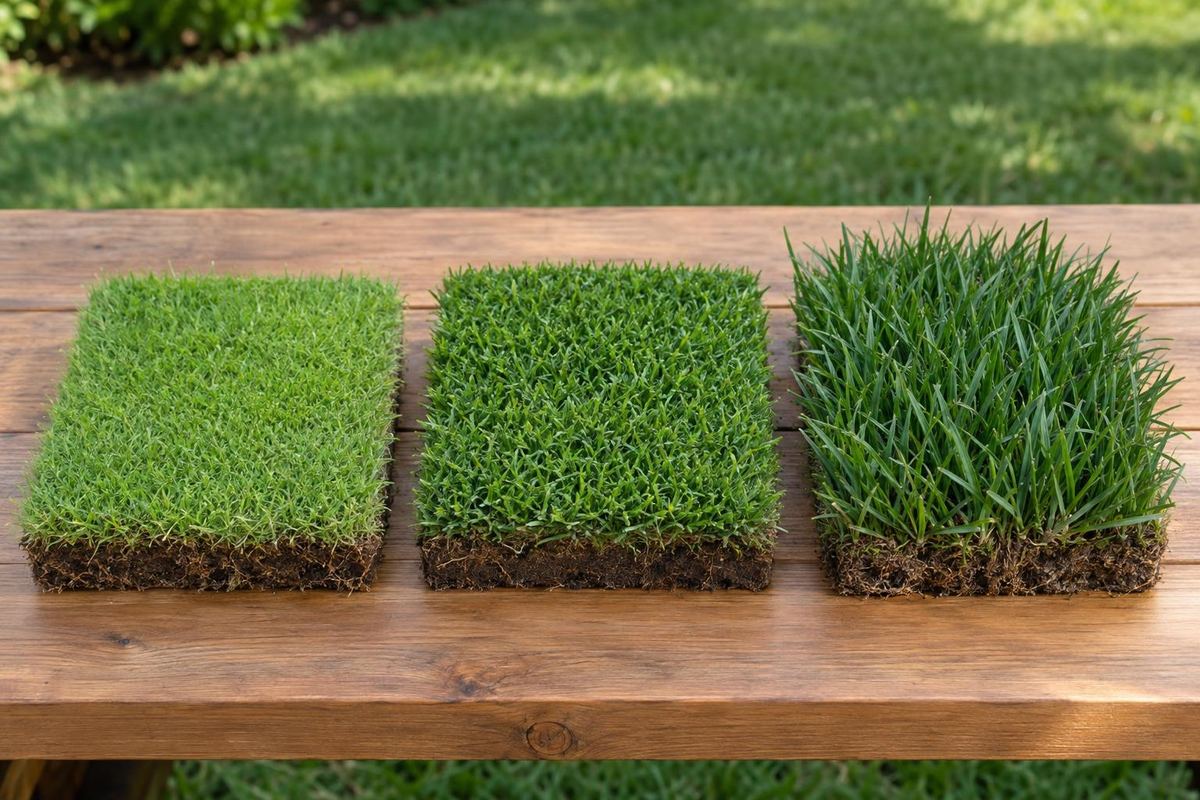
For tall fescue, early fall is ideal. Soil is still warm, nights are cool and weeds are slowing down. September through mid-October is the sweet spot.
Spring seeding is possible but risky, because new seedlings face summer heat before roots are deep.
Timing for bermuda and zoysia
Warm-season grasses recover best when aerated during active growth, from late spring to early summer. Do not aerate bermuda or zoysia in fall, when growth is slowing.
Overseeding is not usually needed with warm-season turf, which spreads on its own.
Caring for new seed
Keep the top inch of soil moist until seed sprouts, often with short, frequent watering, then taper to deeper, less frequent watering as grass grows.
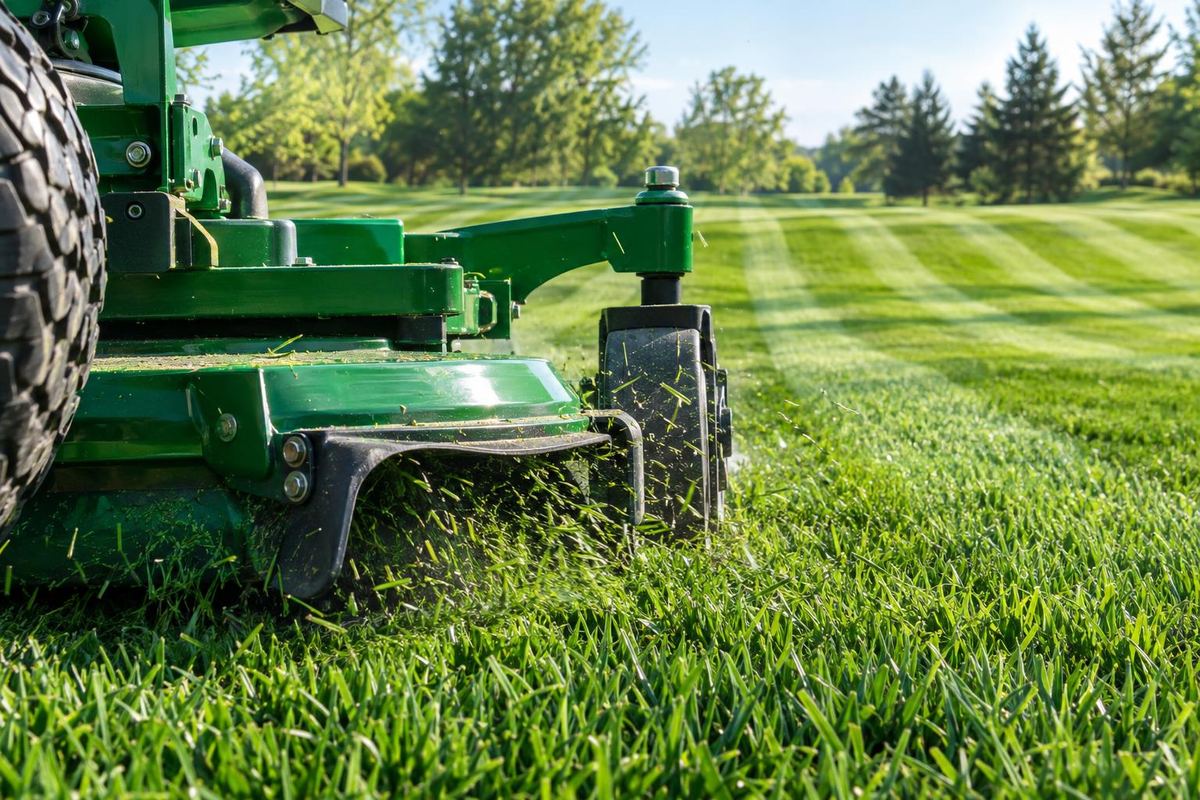
Hold off on the first mowing until new grass is tall enough, and avoid heavy weed killers while seedlings establish.
Quick answers
Do I need to remove the plugs?
No. They break down on the surface and return nutrients to the lawn.
Can I overseed without aerating?
Yes, but aeration improves seed-to-soil contact and results.