Key takeaways
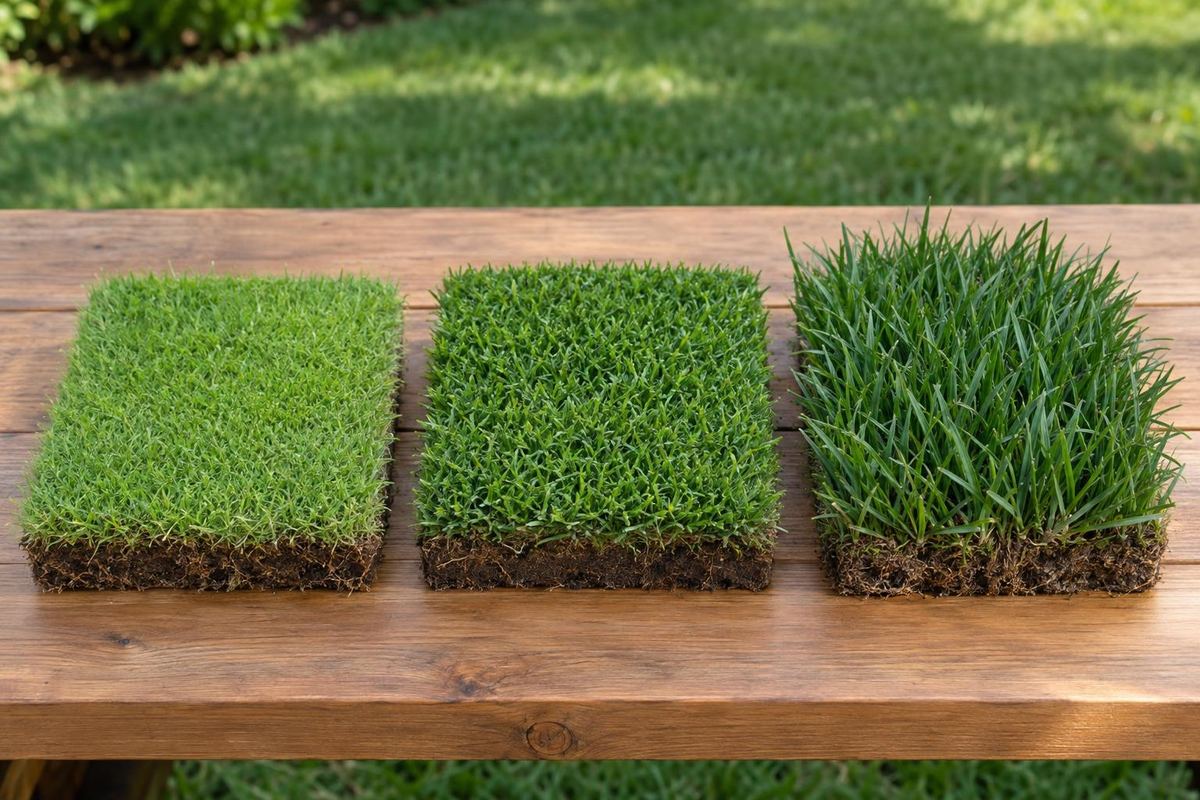
- Middle Tennessee is the transition zone, so cool-season and warm-season lawns follow different calendars.
- Fall is the big season for fescue; late spring and summer are for bermuda and zoysia.
- Pre-emergent weed control goes down before soil warms in spring.
- A simple yearly plan beats occasional rescue efforts.
Late winter and early spring
As the soil warms, apply a pre-emergent for crabgrass before it germinates, often in late February through March. Clean up leaves and winter debris, sharpen the mower blades and cut back ornamental grasses and perennials.
Fescue starts to green up, bermuda and zoysia are still dormant. Hold off on heavy feeding for warm-season grass until it is actively growing.
Late spring and summer
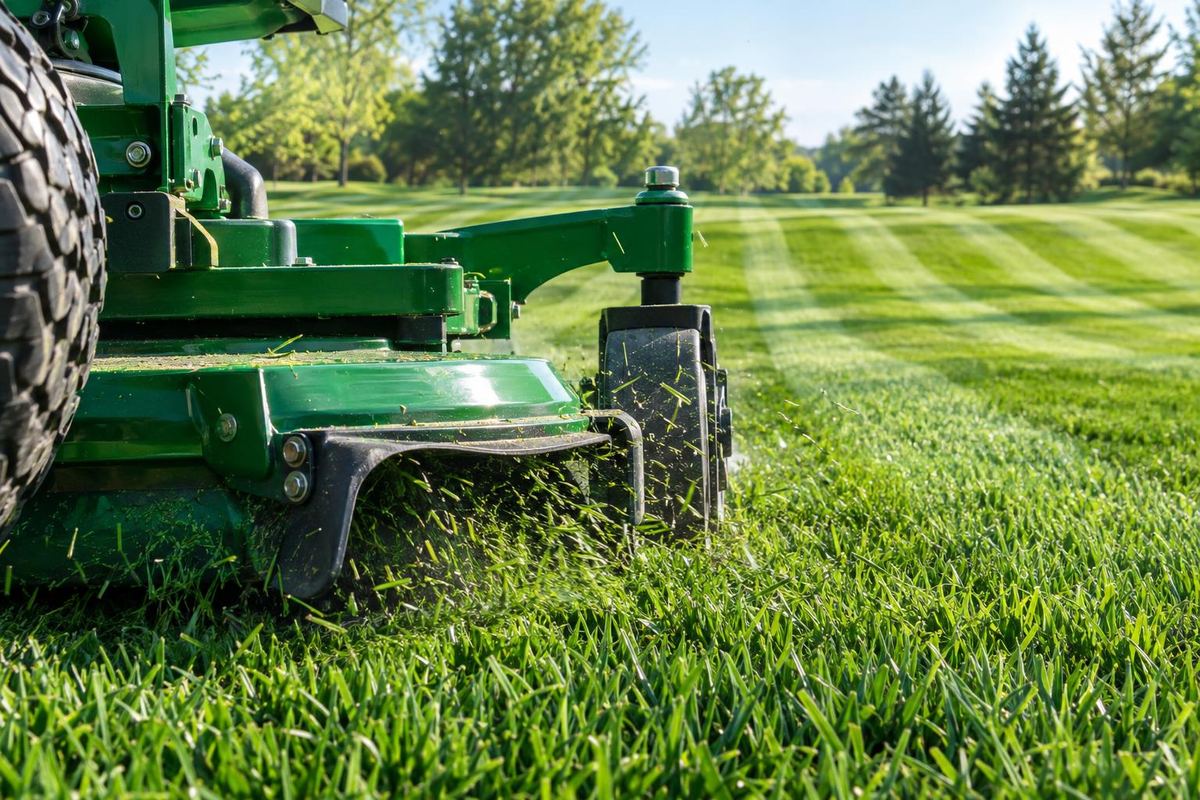
Warm-season lawns come alive: feed bermuda and zoysia, and aerate them in late spring to early summer. Mow regularly, never removing more than a third of the blade height at once.
Fescue goes into stress in July and August. Water deeply and early in the morning, watch for brown patch and avoid heavy nitrogen. This is also the window for preventive grub control.
Early fall
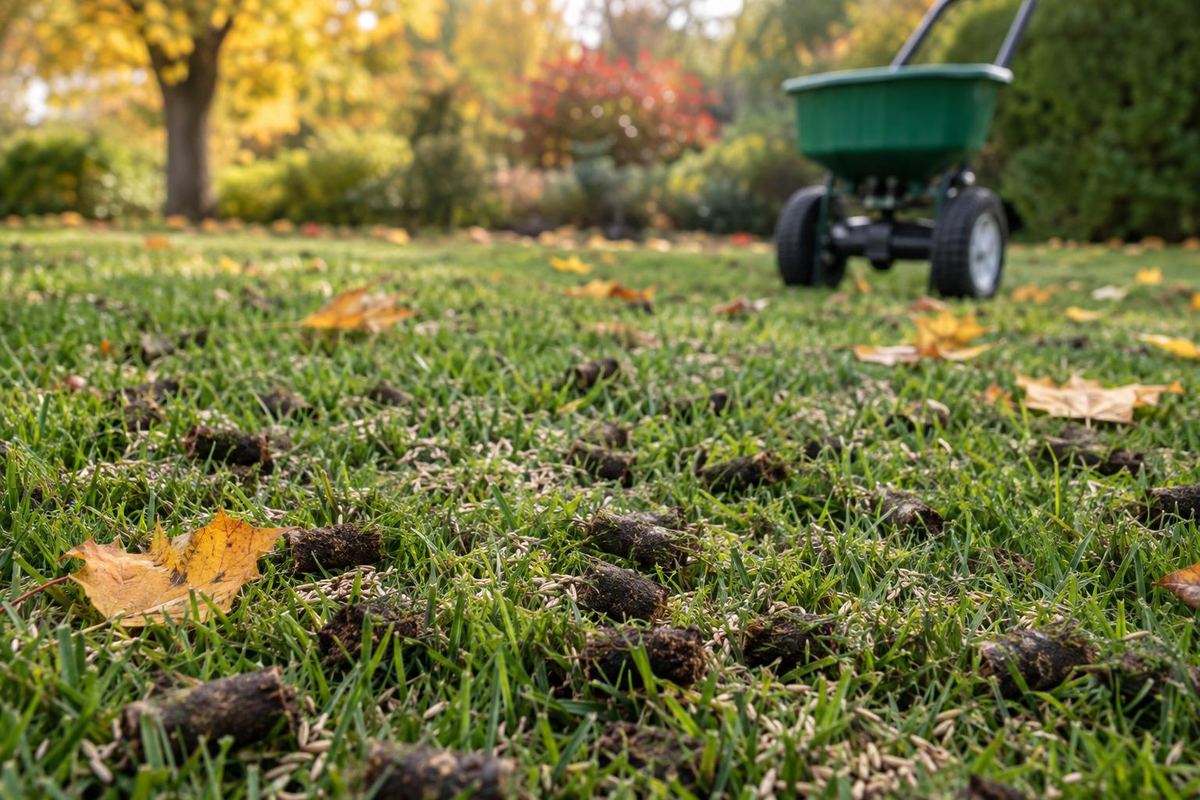
This is the main renewal season for fescue. Core aerate, overseed, fertilize and keep new seed moist. Soil is still warm and nights are cooler, which is perfect for germination.
Broadleaf weeds like clover and dandelions are easiest to control in fall. Start leaf removal as soon as leaves begin to build up.
Late fall and winter
Give fescue a final feeding in late fall while it is still green, make a last mowing and keep leaves off the turf. Winterize any irrigation before hard freezes.
In winter, plan next year: test the soil, repair equipment and book your spring services early.
Quick answers
When should I start lawn care in spring?
Late winter, with pre-emergent timing and cleanup, then regular mowing as grass starts growing.
What matters most for a fescue lawn?
Fall aeration, overseeding and feeding, plus smart watering and mowing through summer.