Key takeaways
- Tall fescue is most prone to brown patch in hot, humid weather with warm nights.
- Disease is encouraged by night watering, heavy nitrogen in summer and poor airflow.
- Fungicide can help, but changing habits prevents repeat outbreaks.
- Many lawns recover and can be reseeded in fall.
Brown patch
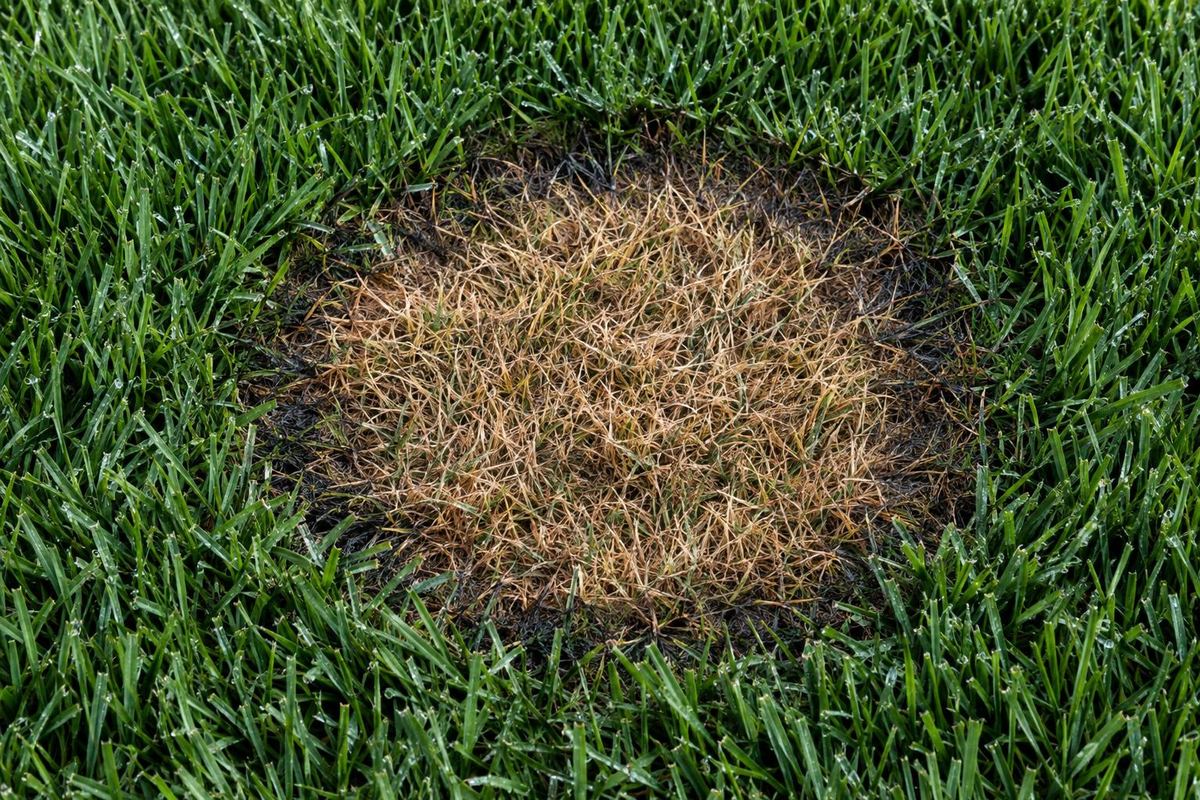
Brown patch appears as circular or irregular tan patches, often with a smoky darker edge on humid mornings. It thrives when nights stay above about 65 to 70 degrees and the grass stays wet.
It affects tall fescue most and usually does not kill the crowns, so grass often grows back.
Dollar spot and others
Dollar spot shows as small, silver-dollar-sized tan spots that can merge. Pythium blight, leaf spot and rust each have their own look and timing.
Correct identification matters because treatments differ.
Prevention habits
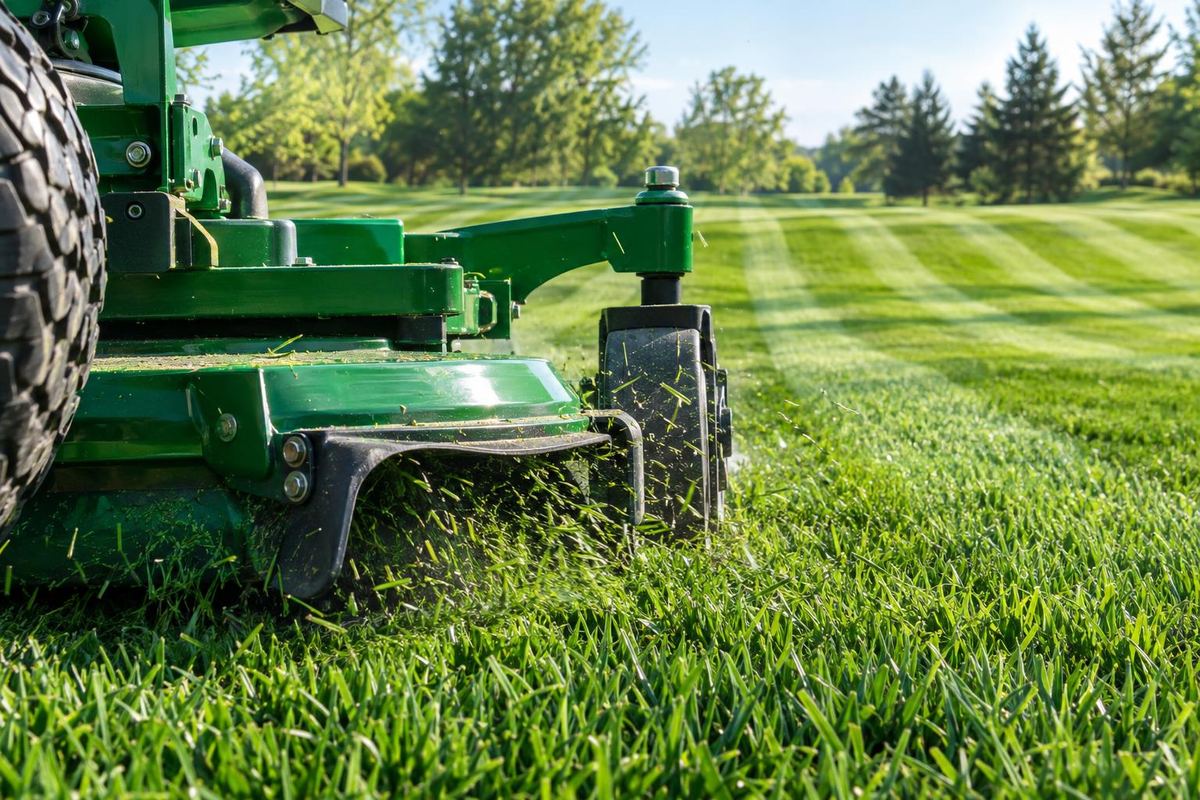
Water early in the morning, not at night. Avoid heavy nitrogen in summer, mow at the proper height with sharp blades and improve airflow by pruning trees and shrubs.
Aerating and dethatching can also reduce disease pressure.
Treatment and recovery
Fungicides are most effective when applied preventively or at the first sign of disease. A professional can identify the disease and time the treatment.
After damage, overseed in fall to fill in thin areas.
Quick answers
Will brown patch kill my lawn?
Usually not entirely. The crowns often survive and grass regrows, though severe patches may need reseeding.
Should I water more when I see brown spots?
Not without checking first. Extra water can worsen fungal disease, so identify the cause before changing your schedule.