Key takeaways
- Feed cool-season fescue mostly in fall; feed warm-season grass in late spring and summer.
- A soil test tells you what your lawn really needs.
- Even spreading prevents streaks and burns.
- More is not better: over-fertilizing hurts the lawn and the environment.
Reading the bag
Three numbers on a bag show the percentages of nitrogen, phosphorus and potassium. Nitrogen drives green growth, phosphorus supports roots and potassium builds stress tolerance.
Many lawns already have enough phosphorus, so a soil test helps you avoid applying what you do not need.
Timing by grass type
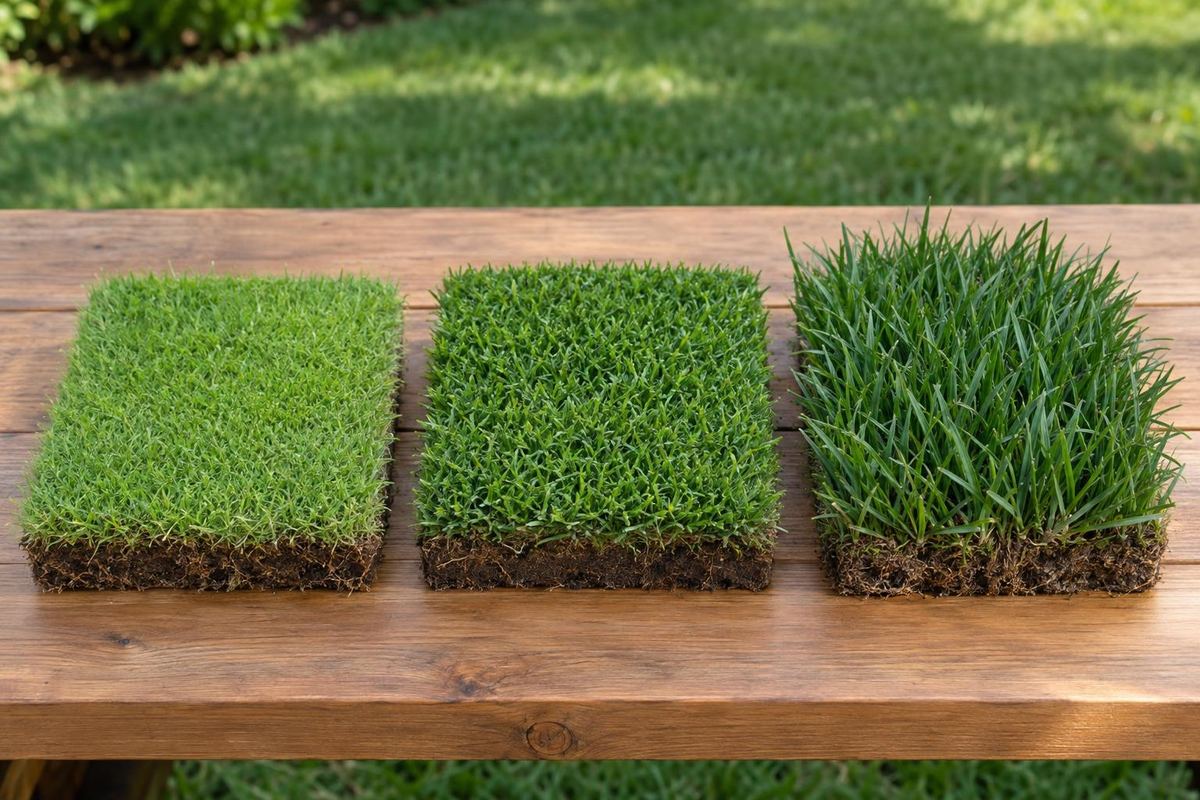
For fescue, concentrate feeding in fall, with a lighter feeding in early spring if needed. Avoid heavy nitrogen in summer, which can feed disease.
Bermuda and zoysia are fed once they are fully green, typically from late spring through summer.
Applying evenly
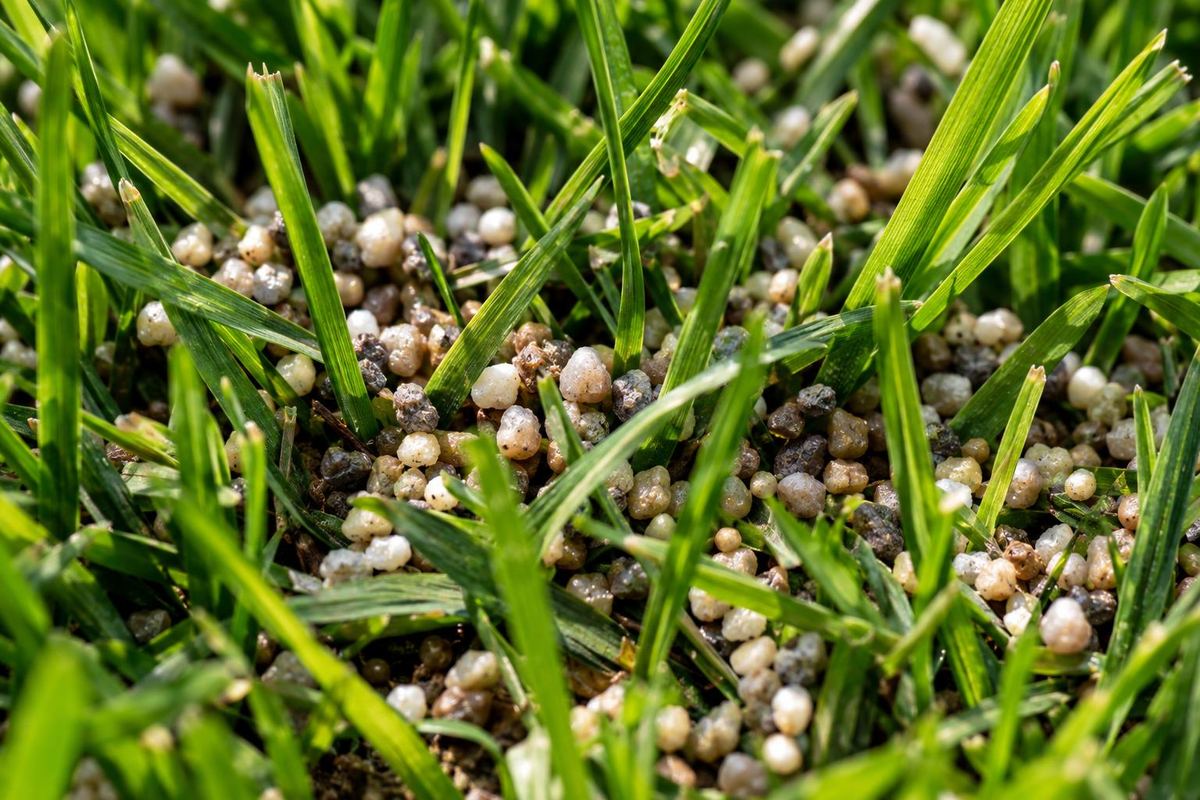
Use a calibrated spreader and follow the label rate. Make overlapping passes to avoid stripes, and sweep any granules off hard surfaces.
Water lightly after application to help move granules into the soil unless the label says otherwise.
When not to fertilize
Skip fertilizer before heavy rain, on frozen or drought-stressed turf and on dormant grass. Do not fertilize right before overseeding with a weed preventer.
Professional programs time each application to the weather and grass.
Quick answers
Is organic fertilizer better?
Both can work. Slow-release products of either kind feed steadily and reduce the risk of burning.
How long until I see results?
Many lawns green up within a week or two, with thicker growth over several weeks.