Key takeaways
- Pre-emergent products stop seeds from sprouting; they must go down before weeds germinate.
- Post-emergent treatments kill weeds that are already growing.
- Crabgrass prevention is usually applied in late winter to early spring.
- Thick, well-fed turf shades out weeds.
Pre-emergent: prevention
Pre-emergent herbicides form a barrier that stops weed seeds from establishing. For crabgrass, apply before soil temperatures reach the mid-fifties, which usually means late February through March in Middle Tennessee.
Timing matters more than the brand. Applying too late is the most common reason prevention fails.
Post-emergent: correction
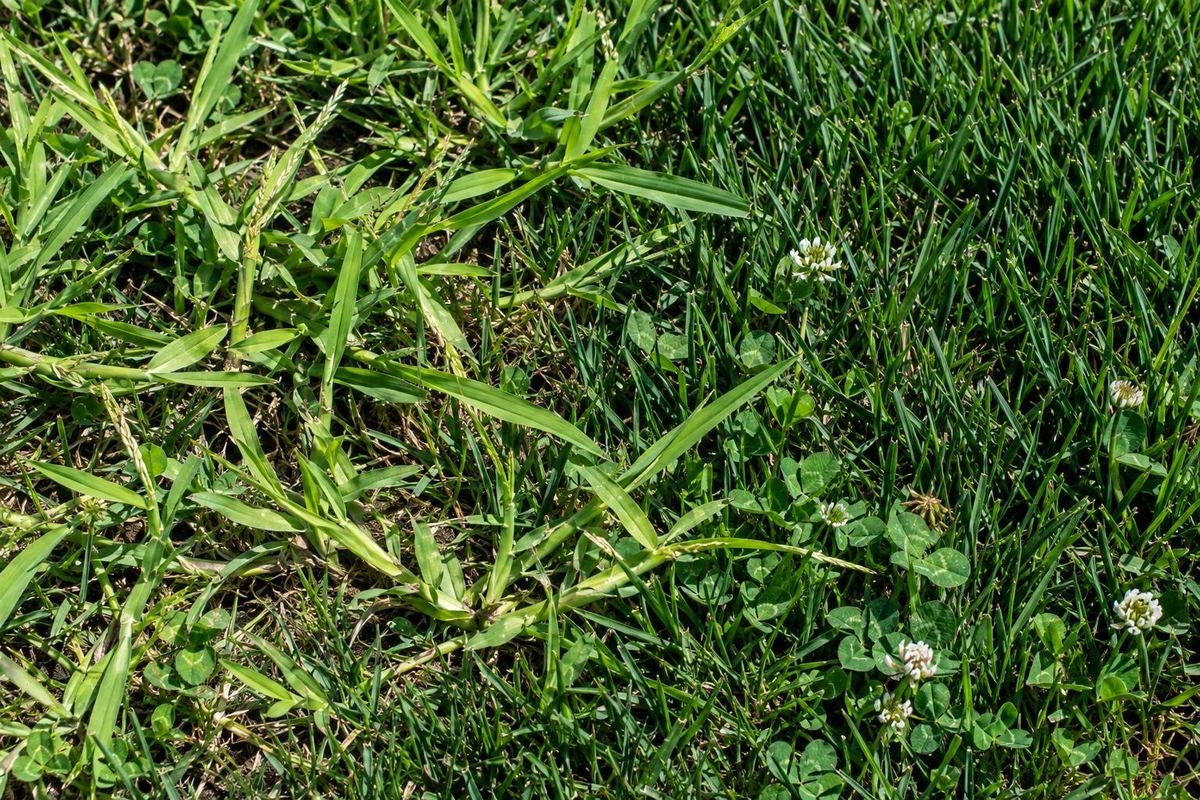
Post-emergent products target weeds that have already sprouted. Different weeds need different products: broadleaf weeds like dandelion and clover, grassy weeds like crabgrass and sedges like nutsedge each respond to their own treatments.
Fall is a great time to control broadleaf weeds, since they move nutrients to their roots then.
Why weeds win
Weeds take over where grass is thin. Mowing too short, compacted soil, poor feeding and shade all weaken turf and open the door.
Treating the cause, not just the weeds, is the long-term fix.
Safe use
Always follow label directions. Keep children and pets off treated areas until they are dry or as directed. Avoid applying before heavy rain.
A professional can identify weeds, time treatments and apply products accurately.
Quick answers
When should I put down crabgrass preventer?
Typically late winter to early spring, before the soil warms. Timing varies with the weather.
Can I seed and use pre-emergent at the same time?
Most pre-emergents also stop grass seed from sprouting, so plan seeding and weed control carefully.