Key takeaways
- Clay compacts easily and drains slowly, which stresses roots.
- Core aeration is the best single remedy.
- Many soils here are acidic, so a soil test and lime can help.
- Building organic matter takes time but pays off.
What clay does to a lawn
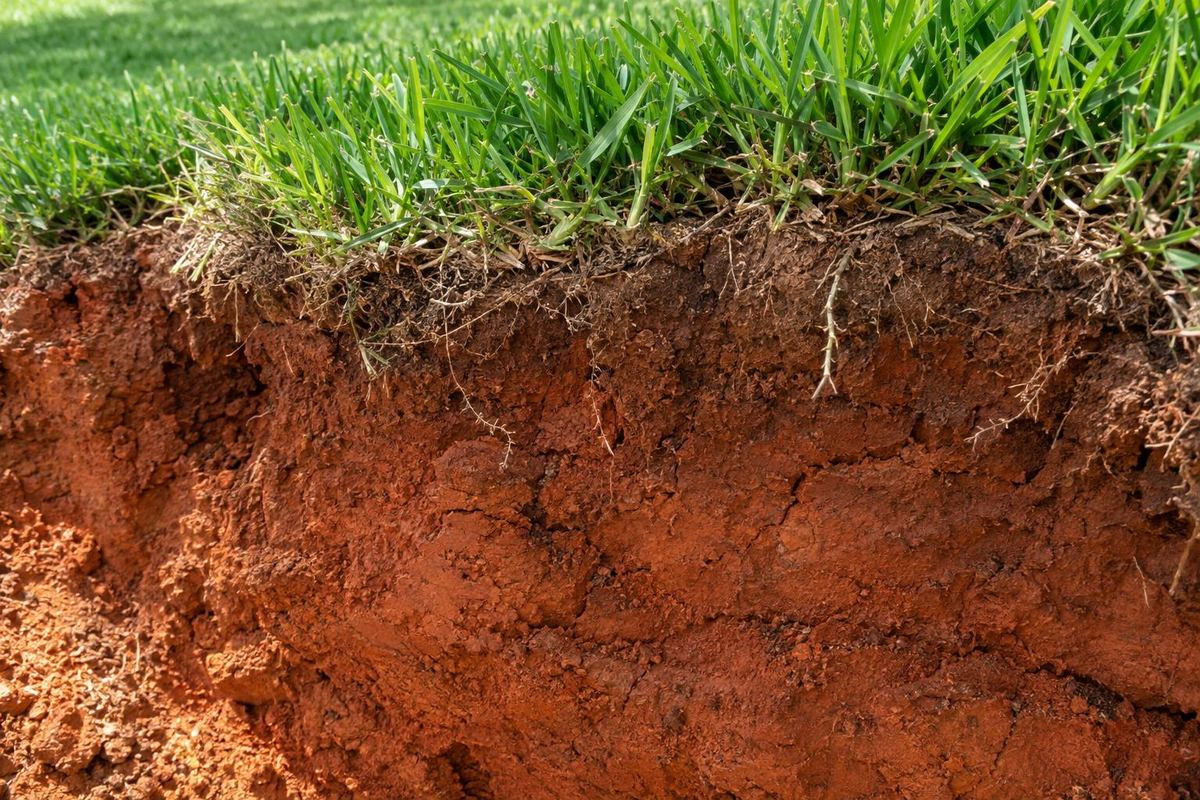
Clay particles are tiny and pack tightly. Water runs off or pools, roots struggle for air and the soil bakes hard in summer.
Builder grading often strips topsoil, leaving a thin layer over hard clay.
Aeration and compaction
Core aeration is the best remedy. Annual aeration for a few years makes a noticeable difference.
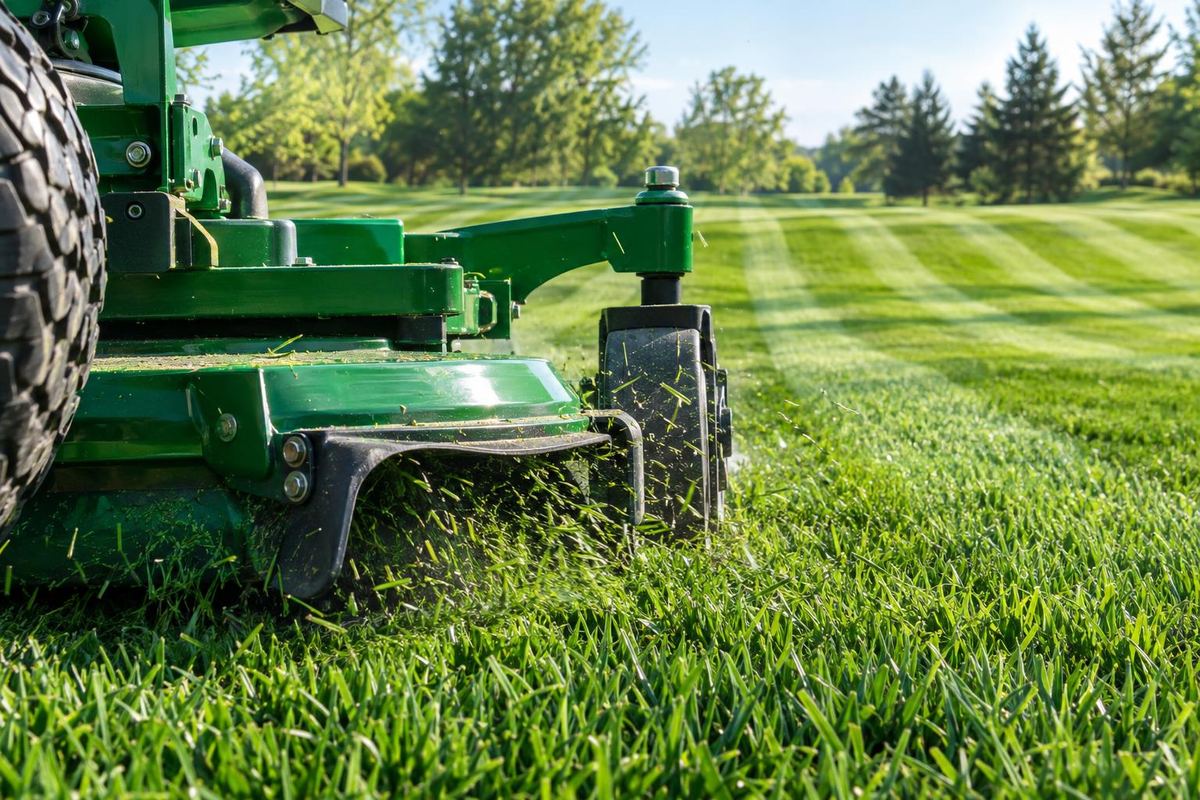
Avoid mowing or driving on soft wet clay, which compresses it further.
Soil testing and lime
Many Middle Tennessee soils run acidic. A soil test shows pH, and lime raises it so grass can use nutrients efficiently.
Your county extension office offers soil testing.
Building better soil
Topdressing with compost, leaving mulched clippings and keeping up with aeration slowly improve the soil structure.
For new lawns, amending soil before planting gives grass a head start.
Quick answers
Should I add sand to clay soil?
Not usually. Mixing small amounts of sand into clay can make it harder. Organic matter is the better amendment.
How often should I aerate clay soil?
Once a year is common for compacted lawns.